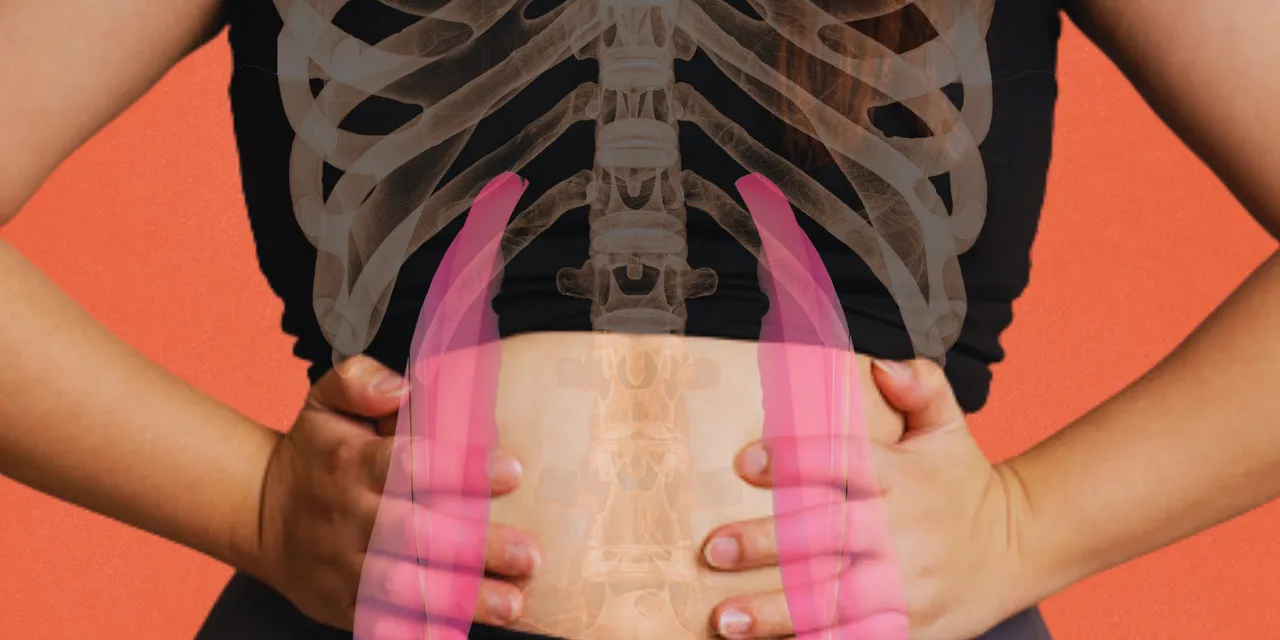

Even though working out is good for you, it can sometimes leave you feeling pretty bad. Intense muscle pain, stiffness, and tenderness—delayed-onset muscle soreness (DOMS) to insiders—is a common post-workout complaint, especially among people who are returning to exercise after a break and those who are trying a new types of exercise for the first time.
While DOMS is actually a sign that your workout was effective—physical activity causes micro-tears in muscle fibers that triggers them to knit back together stronger, resulting in muscle growth—it can cause discomfort (at best) and interfere with your ability to function (at worst). Depending on the severity of your DOMS case, you might even find it tough to take the stairs for a few days.
If ibuprofen or hot or cold compresses are your first-line treatment for treat post-workout aches and pains, you may be surprised to learn that some of the most accessible remedies aren’t found in your medicine cabinet, but in your fridge or pantry. Incorporating them into your diet can fight the inflammation induced by that muscle fiber damage to help you bounce back faster. When you eat the right things after a workout, “it tells your body to start the restoration process,” Amy Stephens, MS, RDN, CSSD, a sports nutrition consultant for NYU Athletics who specializes in performance nutrition and eating disorder treatment for competitive athletes, tells SELF.
Several nutrients are crucial
When eating for workout recovery, you should prioritize protein and carbs. Protein famously helps support your muscles by providing the amino acids they need to mend tears. Shoot for around 20 to 30 grams for best results, according to Stephens. Meanwhile, carbs—the body’s primary energy source—increase your blood sugar, or blood glucose, and, in turn, trigger the pancreas to secrete insulin (a hormone that tells the body’s cells to absorb glucose to prevent an overload). During that process, the circulating protein is also absorbed—and the repair process begins in the muscles. Carbs “are something that get overlooked a lot, but they’re really a recovery spark,” Tyler McDonald, NASM-CPT, CNC, a certified personal trainer specializing in tennis and a senior brand marketing manager for the National Academy of Sports Medicine, tells SELF.
You can think of the protein-carbs duo as kind of a nutritional dream team. Without protein, your muscles won’t have the amino acids they need to rebuild: “While you’re sparking the transport needed in your body, you don’t necessarily have the right nutrient mix,” McDonald explains. Without carbs, on the other hand, those amino acids won’t reach your muscles as speedily. (Not to mention you also might feel more tired and fatigued!). Most authorities recommend a 3:1 ratio of carbs to protein in a post-workout snack or meal. If you ate 20 grams of protein, you’d want 60 grams of carbs, for example. If possible, throw in some healthy fats—the third macro—as well.