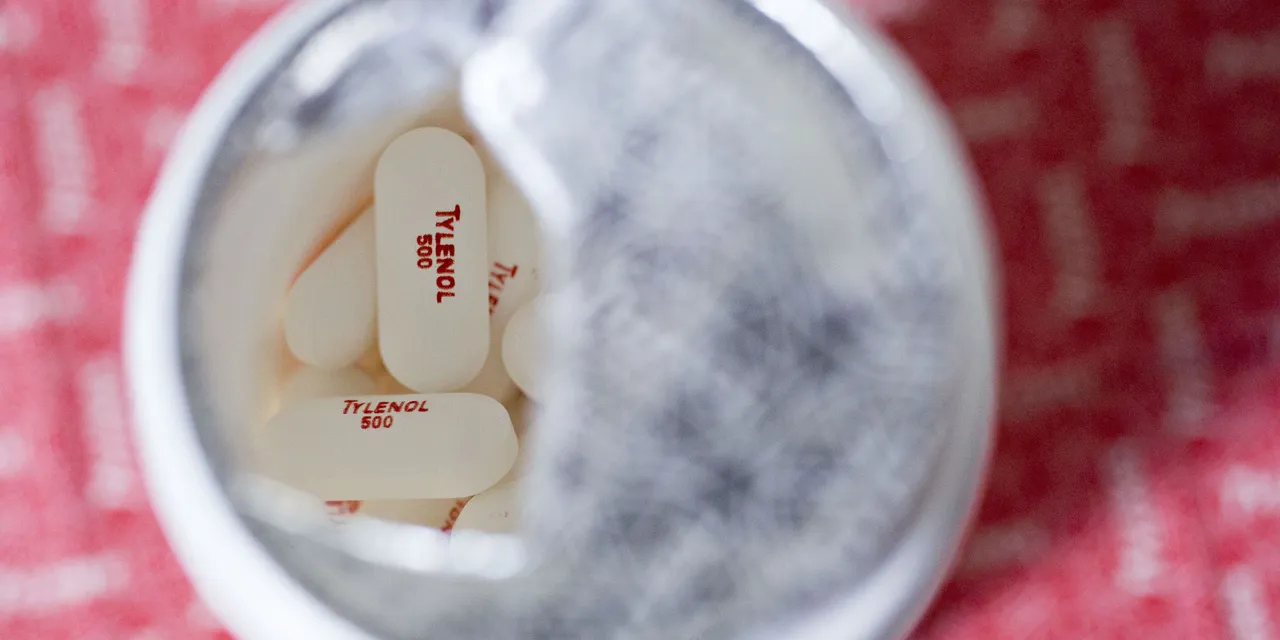
“Mothers who take Tylenol often do so because they have fever, for instance from an infection, or they have pain from other conditions and complications, perhaps even stress—and all of these themselves raise developmental risks,” Sura Alwan, MSc, PhD, an epidemiologist based in British Columbia and executive director of the nonprofit PEAR-Net Society (Pregnancy Exposures, Advocacy, and Research Network), tells SELF.
There are also plenty of variables unrelated to Tylenol use—like genetics, household environment, and maternal health history—that could affect the development of autism in the children of moms who took the medication while pregnant. It’s the reason some researchers have opted to compare siblings, where only one had been exposed to Tylenol in utero, Lucky Sekhon, MD, a double board-certified reproductive endocrinologist and ob-gyn at RMA of New York and author of fertility guide The Lucky Egg, tells SELF. It turns out, exposed siblings are no more likely to have autism than those who weren’t.
Considering the findings from these types of rigorous sibling-comparison studies, as well as other reliable studies on the topic, the authors of the new Lancet paper concluded that any previously reported links between Tylenol use during pregnancy and autism are likely the result of “other maternal factors, such as underlying pain, discomfort, fever, or genetic predisposition, rather than any direct effect” from the medication.
Scientists who research autism pin the rise in cases over recent decades largely to improved diagnostic criteria for it—we’re now catching cases that were previously missed, particularly in women—as well as a mix of genetic and environmental factors.
Telling pregnant women to avoid Tylenol during pregnancy risks unnecessary suffering and fetal damage.
White-knuckling your way through fever or pain during pregnancy isn’t just a terrible way to exist (pregnancy is hard enough on the body as is); it can be actively dangerous. For instance, leaving a fever raging, especially during early pregnancy, “increases the risk of fetal malformation and pregnancy loss,” Veronica Gillispie-Bell, MD, MAS, a Louisiana-based board-certified ob-gyn and the vice chair of ACOG’s Clinical Practice Guidelines Committee–Obstetrics, tells SELF. A cooling blanket or cold shower won’t knock down your internal temperature or protect a fetus from the heat, Dr. Gillispie-Bell emphasizes.