There was once a time when I blamed all the world’s problems on social media.
Consumerism? Blame social media.
Growing intolerance? Blame social media.
Religious and ideological extremism? Blame social media.
Lower attention span? Blame social media.
I was the one at the dinner party talking about how I’d logged off. I was the one writing essays on how being offline had deeply healed me. (The irony, of course, being that I was doing this on Substack of all places, to my 23,000 subscribers.)
And in many ways, it had. Up to a point.
Logging off healed the deep wound of constantly watching other people’s lives instead of tending to my own. It quieted that reflexive pull of my attention outward—toward whose career was taking off, who bought a house, who was getting the next big thing—rather than toward my own work, my own world, my own very real gifts. It also interrupted that old loop of seeking validation in quick likes and dopamine hits, the subtle addiction to being seen.
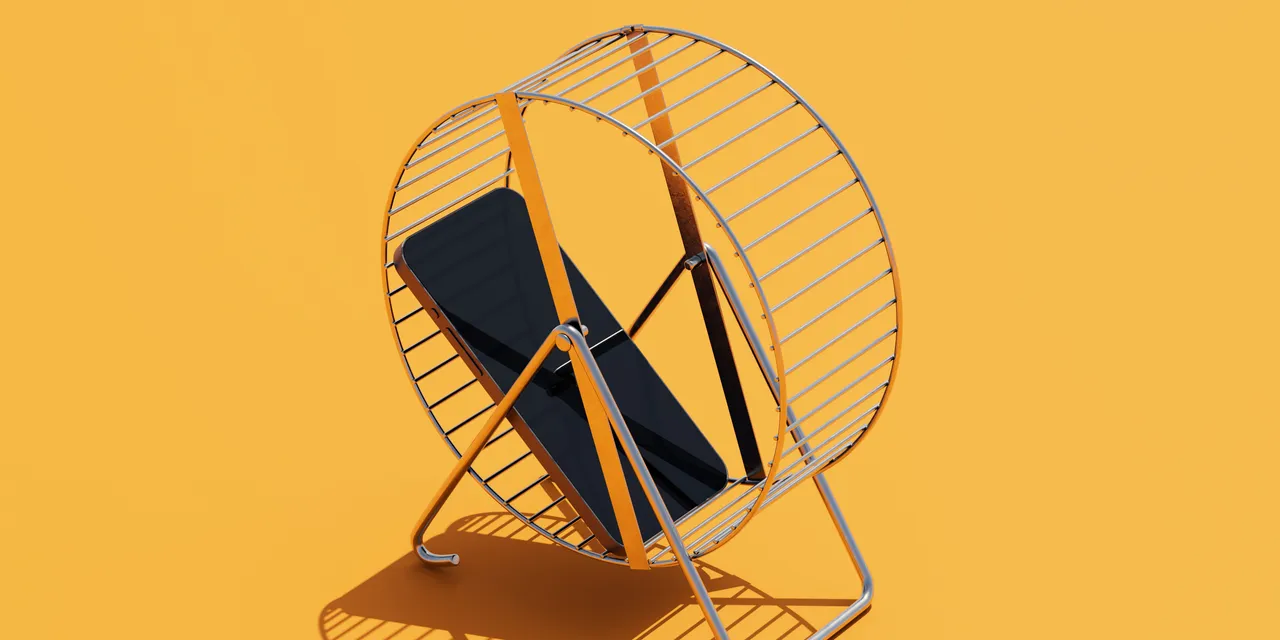
But living in this offline bubble was its own kind of fantasy. I tried to construct a life untouched by social media, an almost analog existence that felt pure and protective. But I was becoming increasingly disconnected from the world I actually lived in. And pretty soon, I felt isolated in my indignation towards social media.
Everywhere I turned, I was still surrounded by its power. I knew the Stanley Cup was trending because it was on Target’s “As Seen On TikTok!” shelf. Anytime it was brought up in conversation, I would feel a slight trigger. If I was with a friend, I’d ask them not to talk about TikTok in front of me. I didn’t want to know what was happening on social media, I wanted to be focused on what was happening in the present.
I live in New York City and am a writer; I knew in order to make a living I couldn’t cut off from the world, completely, forever. I wanted (and needed) to stay attuned to what was happening. I didn’t want to lose my friends, my career, my network, and give up my biggest passion: my writing. None of my work happens in a vacuum; I needed to be in communion with my audience, which I’d spent years building. But I felt such anger, because my wound hadn’t healed.


From 2014 to 2019, I was a wellness influencer, some might say one of the first. I got on Instagram early and recognized its ability to be a life-changing, world-altering tool to connect, inspire, and grow from. And I was right! I shared my daily wellness tips and healing journey and got to work with some of my dream brands that I still love and use to this day: Dyson, Nordstrom, Vital Proteins, and Subaru. I got to travel the world: Japan, Hawaii, Nicaragua, Italy, France, and all across the United States. I made a great salary and started out-earning my friends who had specialty degrees.
But just as fast as I rose to Instagram fame, I burnt out.