
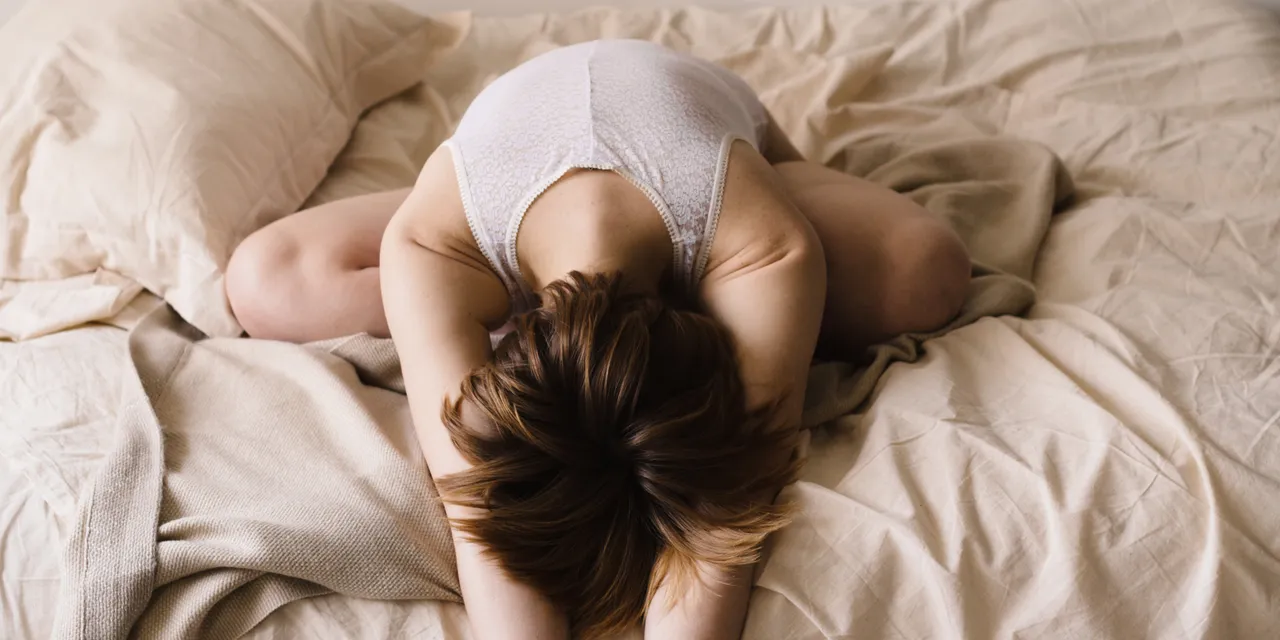
Fun fact: You’ll be asleep for roughly one-third of your life. And while it’s true you shift and move as you’re snoozing in bed, experts consider sleep positions to be “static,” which means they’re positions you hold during long bouts of inactivity. In other words, even though you’re passed out, those positions aren’t passive. They have a big impact on your muscles, joints, and even your overall health.
Contrary to popular belief, there isn’t one “best” sleep position, says Gbolahan Okubadejo, MD, spinal and orthopedic surgeon and founder of NYNJ Spine. This is especially great news if sleep is elusive for you most nights and the thought of adding another potential obstacle into the mix fills you with dread.
“There are some positions that allow the body to be in a more neutral alignment and some positions that can put undue stresses on parts of the body,” says Okubadejo. If hard pressed, he says he’d rank side sleeping in first place, with back sleeping at second, and stomach sleeping last. Ultimately, though, he encourages spine alignment.
“You just have to accommodate for your preferred position in order to not put too much strain on any of those parts,” he says.
Your spine has a natural curve at the upper back (kyphosis) and the lower back (lordosis), and the goal is keeping that gentle “S” in balance during your Zs. It’s when it curves too much or too little that your back will complain.
“Once that balance is thrown off, there’s a higher propensity to have pain,” says Okubadejo. That means whether you’re curled up into the fetal position or spread out like a starfish at bedtime, you should make sure your spine has the right support so it can rest as neutrally as possible.
Fariha Abbasi-Feinberg, MD, sleep specialist and president-elect of the American Association of Sleep Medicine, says you’ll have telltale signs from your body when you’re not positioned well during sleep, like pain, numbness, or tingling. But if you wake up feeling refreshed and don’t deal with health issues like sleep apnea (which can be triggered by lying on your back at night), your best bet is to stick with what’s most comfortable for you.
“Sleep needs to be a cozy, wonderful, welcoming situation, not something that you’re fighting against,” she says. “If you try to sleep in a position that you’re not comfortable in, you’re going to think about it. And the more you think about the fact that you’re not sleeping, the worse your sleep gets.”